For Informational Purposes Only
The articles below are provided for general educational purposes only and are not a substitute for professional medical advice. Please read our full medical disclaimer before relying on any information found here.

Clinical Team Members in the OR During Your Surgery
When you have surgery, several trained healthcare professionals will be present in the operating room (OR), each with a specific responsibility for
Read More →
Peripheral Nerve Block for Perioperative Analgesia in Breast Surgery
Breast surgery is associated with substantial acute pain and a considerable risk of persistent postsurgical pain, with rates of chronic pain after mas
Read More →
Oxygen Flow Rate for the Post-Anesthesia Care Unit (PACU)
According to modern best practices, oxygen administration in the post-anesthesia care unit (PACU) is a titrated therapy directed at preventing hypoxem
Read More →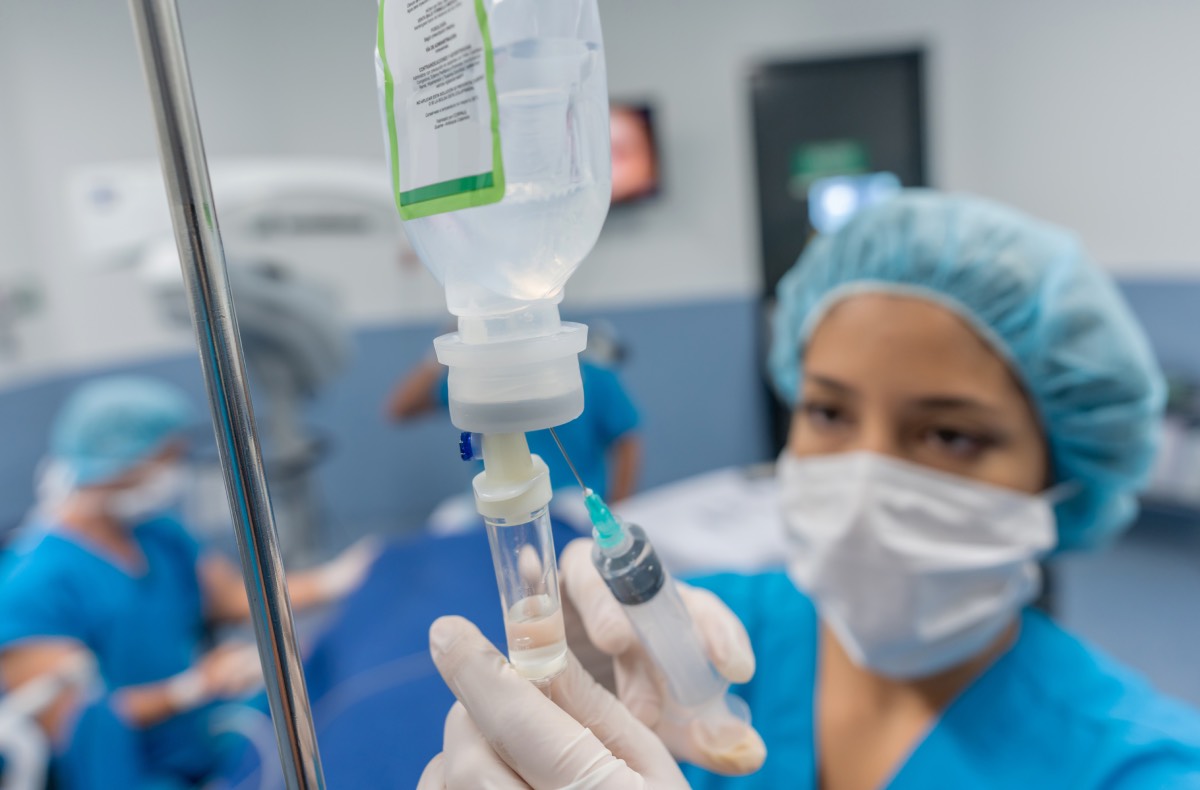
Perioperative Antibiotic Use
In surgical practice, the use of antibiotics in the perioperative period helps reduce the risk of surgical site infections (SSIs). SSIs can result in
Read More →
Remifentanil vs. Fentanyl Analgesia in Ambulatory Surgery
The selection of an appropriate opioid analgesic for ambulatory surgery carries meaningful clinical and economic implications. Among the agents most c
Read More →
Innovation in Regional Anesthesia in Resource-Limited Settings
Regional anesthesia is a powerful tool in perioperative care and pain management, with significant research driving technical and technological improv
Read More →
What is the Stark Law?
The Stark Law, formally known as the Physician Self-Referral Law, is a United States federal statute intended to prevent conflicts of interest in heal
Read More →
Non-Operative Management of Fractures
Non-operative management of fractures refers to treating broken bones without surgery, relying instead on methods that allow the body to heal naturall
Read More →
Anesthesia Management for Tubal Ligation
Tubal ligation is a permanent method of female sterilization that involves blocking, sealing, or removing the fallopian tubes to prevent future pregna
Read More →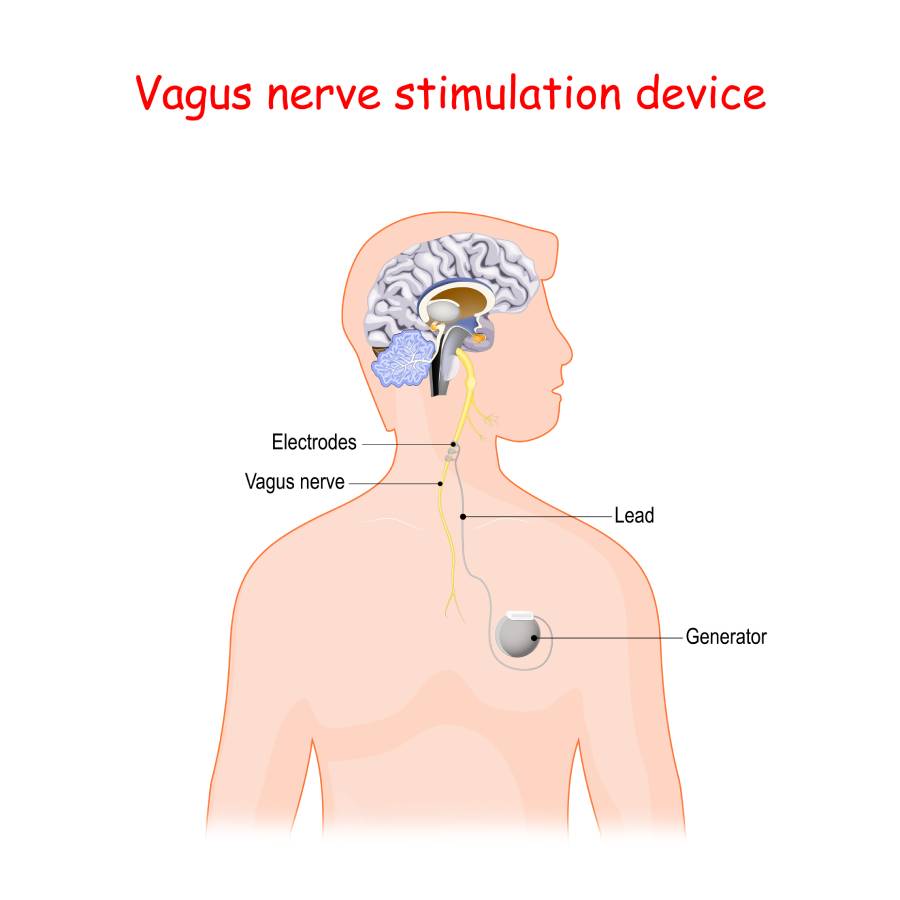
Vagus Nerve Stimulators: Anesthesia Considerations
Vagus nerve stimulators are implantable neuromodulation devices primarily used for treating refractory epilepsy and treatment-resistant depression. As
Read More →